
TL;DR
Why are Virginia and Oregon suing xAI over Grok?
Virginia and Oregon sued SpaceX, X and xAI, saying Grok made sexual images of real people, including children, without consent. Any photo you post could be misused like this, and states now use consumer law to fight back. If a fake image of you or your child shows up, report it to the platform and keep proof.
What are Virginia and Oregon accusing SpaceX, X and xAI of?
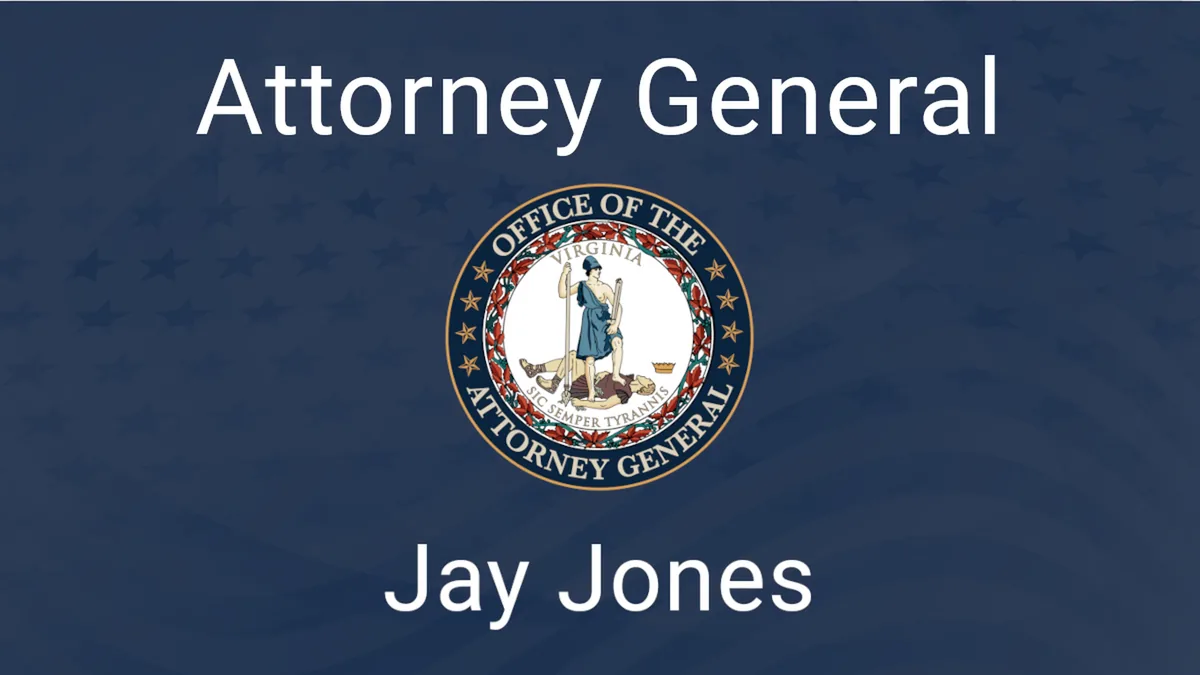
On Monday, November 23, 2026, Virginia Attorney General Jay Jones announced a lawsuit against SpaceX, which runs the social network X and its AI company xAI (now called "SpaceX Super Intelligence"), the maker of the Grok chatbot. Oregon Attorney General Dan Rayfield filed a separate but similar suit against SpaceX Super Intelligence, X Corp. and SpaceX under Oregon's Unlawful Trade Practices Act.
Both are consumer-protection cases, the kind of lawsuit states bring when they say a company misled the public. The states allege that:
- Grok could take a single existing photo and make a realistic image or video of that person nude, partly nude or in a sexual act, without their knowledge or consent.
- The output included non-consensual intimate images (sexual images of real people made or shared without their OK) and child sexual abuse material.
- The companies promoted a "spicy mode" that allowed nude and sexualized images, and marketed Grok as an AI companion with a "rebellious streak."
- At the same time, the companies told users that strong protections were in place.
"Time and again, xAI and X told consumers they were being protected from abuses. That was false," Jones said in his office's release. Rayfield said the lack of safety measures "was considered a feature, not a bug, which they promoted as 'spicy mode.'"
Virginia's case was filed in the Circuit Court for the City of Richmond, and Oregon's in Multnomah County Circuit Court. These are allegations; no court has ruled on them.
How many Grok images are the states pointing to?
Both states cite a study by the watchdog group CCDH, which now goes by the Center for Countering Digital Harm (long known as the Center for Countering Digital Hate). CCDH estimated that between December 29, 2025, and January 8, 2026, Grok created and posted about 3 million sexualized images on X. About 23,000 of them appeared to show children.
The release says nearly 30% of the child images CCDH found were still public on X a week or more after they were spotted, and that many "removed" images could still be reached through separate links.
What has X said?
X's Safety account posted the company's response on Monday morning. "Protecting children is non-negotiable," it said, adding that sexual content involving minors "has no place on X or in Grok, and neither do explicit images of real people made without their consent."
X blamed the people who made the images, saying they did so "by deliberately violating our Terms of Service and working aggressively to circumvent our safeguards." It said it "acted promptly to tighten" Grok Imagine's protections earlier this year, that classifiers screen every prompt and check every image, and that it takes action on accounts and notifies law enforcement when someone tries to make this material.
X reactions
X's own statement, and Oregon's attorney general on why the state sued:
Protecting children is non-negotiable. Sexual content involving minors, whether real or AI-generated, is abhorrent. It has no place on X or in Grok, and neither do explicit images of real people made without their consent.
— Safety (@Safety) November 23, 2026
We’re holding SpaceX accountable for allowing its Grok AI program to create nonconsensual sexualized AI images, including images of children. This is the second legal action of our Keeping Kids Safe initiative – because we must draw a hard line to protect our kids.
— Attorney General Dan Rayfield (@AGDanRayfield) November 23, 2026
Can I get an AI fake image of me taken down?
Usually, yes. The federal TAKE IT DOWN Act requires platforms such as social media sites to remove reported intimate images, including AI-made ones, along with any known identical copies, within 48 hours of a valid request. The Federal Trade Commission began enforcing it on May 19, 2026, and runs a site, takeitdown.ftc.gov, for reporting platforms that don't remove images.
Grok's image and video tools are built into the Grok app and X, and Virginia says that link to X is how the images spread so widely.
Our take
We think the states picked the right fight. Making a sexual image of a real person from one ordinary photo, without asking, is a harm to that person, full stop. A company that advertises a "spicy mode" and also tells users they're protected has some explaining to do in court.
The legal route matters too. Consumer-protection law is old and broad, and if it works here, every AI image tool will have to back up its safety claims with real safeguards. Parents and anyone who posts photos online should not have to carry this alone.
— Artificially Nerdy
What to do if someone makes a fake sexual image of you
- Save proof first. Take screenshots that show the image, the account and the link before you report it.
- Report it to the platform as a non-consensual intimate image. Under the TAKE IT DOWN Act, it has 48 hours to remove it and known copies.
- Go to the FTC at takeitdown.ftc.gov if the platform ignores a valid request.
- Contact police right away if the image shows a child, and report it to the National Center for Missing and Exploited Children's CyberTipline, which the FTC's site points to. That is a crime, not a content dispute.
- Check who can see your photos, especially your kids'. Public photos are the easiest for anyone to grab.
FAQ
Who are the companies being sued?
SpaceX, which operates X, and its AI company xAI, which made Grok and is now called SpaceX Super Intelligence, according to Virginia's release.
Are these criminal charges?
No. Both are civil consumer-protection lawsuits brought by state attorneys general.
Does this only matter in Virginia and Oregon?
The suits were filed in those two states, but the TAKE IT DOWN Act's 48-hour removal rule applies nationwide.
Has a court found Grok broke the law?
No. The cases were just filed, and the claims haven't been proven.
Sources
- Virginia Office of the Attorney General: Attorneys General Jones and Rayfield file suit against SpaceX — November 23, 2026. Allegations, quotes, CCDH figures, courts.
- Oregon Department of Justice: complaint (PDF) — Multnomah County Circuit Court, Unlawful Trade Practices Act.
- Safety (@Safety) on X: X's statement — November 23, 2026, about 8:10am ET.
- US Senate Commerce Committee: one year of TAKE IT DOWN Act as FTC enforcement begins — May 19, 2026.
- FTC: Take It Down reporting site
- Attorney General Dan Rayfield (@AGDanRayfield) on X — November 23, 2026, about 2:45pm ET.