

TL;DR
Will AI tools get more expensive because AI companies are losing money?
OpenAI reportedly lost $10.9 billion last quarter on about $10 billion in revenue. AI companies still spend more than they earn, so watch for tighter limits, paid top-ups and prices that rise after a launch period. Know your plan's limits, note any price-change dates, and keep a backup tool you could switch to.
Skip the finance: OpenAI spends far more than it takes in, and that gap is one reason AI plans keep adding limits and add-on fees.
How much money is OpenAI losing?
A lot, though the trend is moving the right way for OpenAI. According to the Wall Street Journal, which cites investor documents, as reported by Reuters on Tuesday, November 10, 2026, OpenAI's revenue rose about 50% to $10 billion in the third quarter. Its operating loss (what's left after paying to run the business, before things like taxes) widened to $10.9 billion, up from $10.1 billion the quarter before.
One measure did improve. OpenAI's adjusted operating margin, roughly how many cents it loses or keeps on each dollar of sales, moved to -109% from -150%. So it's losing a bit more than a dollar for every dollar it brings in, compared with a dollar and a half before. OpenAI is private and hasn't published these numbers, and it didn't immediately respond to Reuters. The full breakdown of OpenAI's quarter has the rest of the reported figures.
The internet had its own read. "openai did 10 billion in revenue last quarter and lost 10.9 billion. finally a strategy i understand," one user wrote on X (Shef on X).
Why do AI companies lose so much money?
Running AI costs more than running most software. Every answer a chatbot writes uses computer chips in a data center, and the bigger and smarter the model, the more each answer costs to produce. A spreadsheet app costs about the same whether you open it once or a hundred times. An AI assistant costs more every time you ask it something.
On top of that, the big labs are racing each other. OpenAI's rival Anthropic is marketing a stock market listing right now, and every company in the race is spending to build bigger models and win customers before the others do. Low prices and generous free plans help win those customers. They also widen the gap between what you pay and what your requests cost.
People have noticed. One r/ChatGPT thread is simply titled "does chatgpt lose money from some plus subscribers?"
Where will AI costs show up on my bill?
So far it shows up in small changes that are easy to miss.
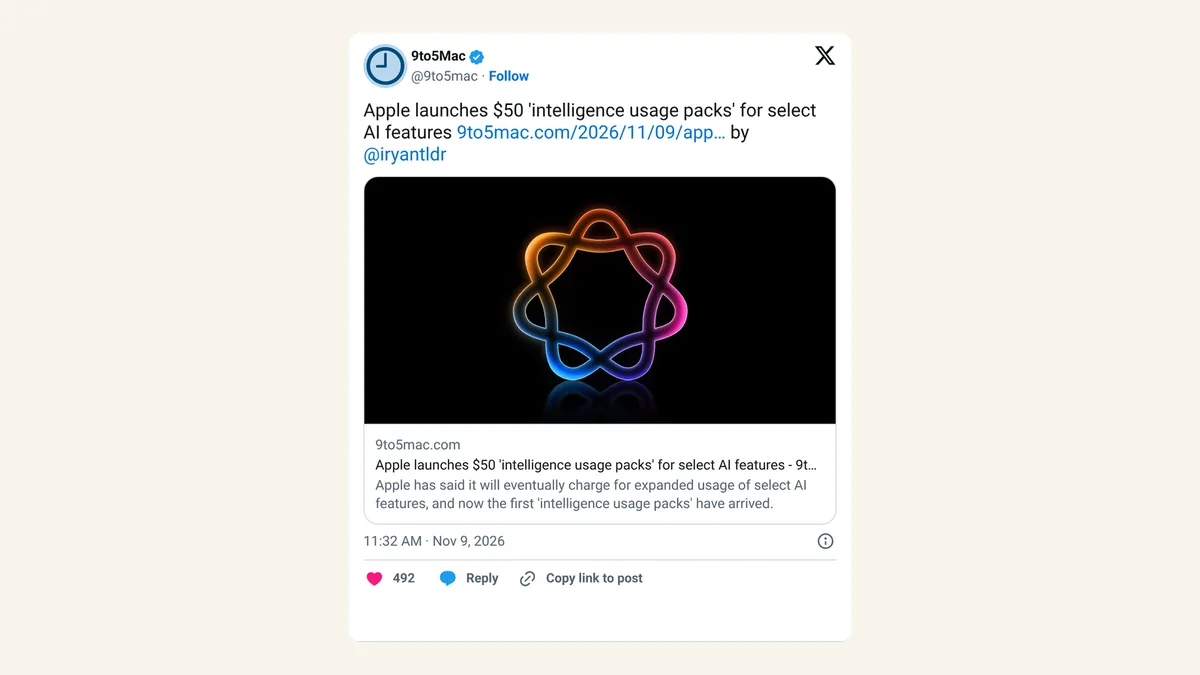
Usage limits with paid top-ups. Apple's Creator Studio subscription includes AI features with monthly limits, such as at least 50 generated images a month if that's all you use. Past that, subscribers in some countries can buy one-time "intelligence usage packs." Apple's support page says unused pack usage rolls over and expires 12 months after purchase, and that sales are final.
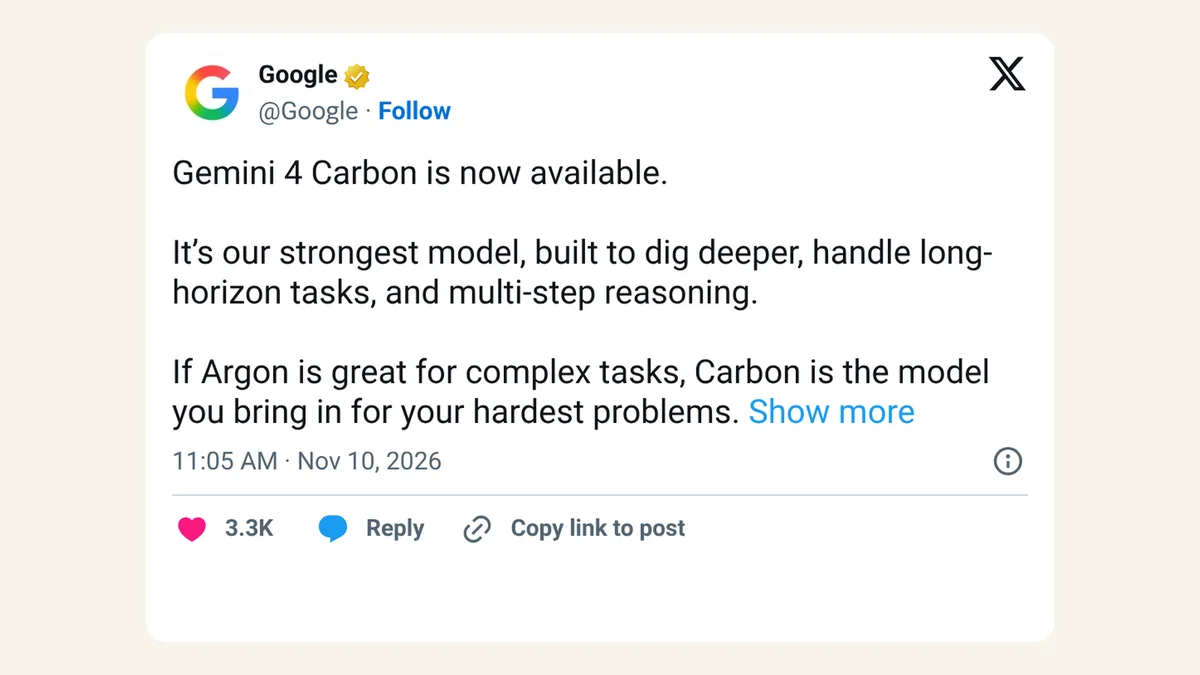
Introductory prices with an end date. Google made its Gemini 4 Carbon model available on Tuesday at an introductory API price of $2 per million input tokens and $10 per million output tokens (tokens are small chunks of text the AI reads and writes). Google's announcement says that after the introductory period expires on November 30, 2026, the price becomes $4 and $20. That's double, and it's written right there on the launch page. Yesterday's Gemini 4 Carbon pricing post covers who can use it.
One allowance stretched across more apps. OpenAI now lets some apps, such as Notion, Vercel and Warp, run on your ChatGPT plan. Its help page says app usage "counts toward your existing plan limits" and that connecting an app "does not add a new allowance." More places to use the same plan means you hit the limit sooner.
The cheapest AI plan is the one whose limits you already know.
How do I budget for AI price changes?
Start by writing down what you actually use. List each AI tool you pay for, what plan you're on, and what its limits are. Most apps show your usage somewhere in their settings; check it once a month for a while so you know your normal.
Then put dates in your calendar. If a tool you rely on has an introductory price, note the day it ends, the way Google spells out November 30 for Gemini 4 Carbon. If you use a model through an app rather than directly, ask the app maker whether its price follows the model's price.
Decide what you'll do at the limit before you get there. Top-up packs are fine for a busy month, but if you're buying one every month, a bigger plan or a different tool may cost less. And for anything your business depends on, such as writing product listings, answering customer emails or transcribing calls, know which second tool you'd switch to and try it once so the switch isn't a scramble.
Should I lock in an AI plan now before prices go up?
We wouldn't rush. Nobody outside these companies knows which prices will rise, and some may fall as competition heats up. Paying a year ahead to save on a tool you use daily can make sense on its own merits. Paying a year ahead out of fear of a price hike that may never come doesn't.
What we'd do instead is stay flexible. These companies are losing money while they compete for your business, which gives you leverage. Use the free tiers, compare plans when your renewal comes up, and keep your work, files and prompts somewhere you could take with you. The companies are still working out what AI should cost, and so are we. Your job is to make sure their answer doesn't catch you off guard.
FAQ
Is OpenAI going out of business?
There's no sign of that in the reported numbers. Its revenue grew about 50% in a quarter, and its losses per dollar of sales shrank.
Is ChatGPT going to cost more?
OpenAI hasn't announced a price change for ChatGPT plans in the reporting we cite. Watch for changes to limits and new add-ons as well as the headline price.
What does an introductory price mean for AI tools?
It's a lower launch price with an end date. After that, the regular price applies, so check the announcement or pricing page for the date.
Do AI usage packs expire?
Some do. Apple's Creator Studio packs expire 12 months after purchase. Check the terms of any pack before you buy.
Sources
- Google: Gemini 4 Carbon is now available — November 10, 2026. Introductory price $2/$10 per 1M tokens; "After the introductory period expires on November 30, 2026," $4/$20 applies.
- Apple Support: About the intelligence features in Apple Creator Studio — published November 5, 2026. Monthly limits, one-time usage packs, 12-month expiry, sales final.
- OpenAI: Sign in with ChatGPT — app usage counts toward existing plan limits; "does not add a new allowance."
- Reuters via Investing.com: OpenAI posts steep losses even as quarterly revenue rises to $10 billion, WSJ reports — November 10, 2026.
- Shef (@0xBueller) on X — November 10, 2026.
- r/ChatGPT thread title via Google search results: does chatgpt lose money from some plus subscribers?