
TL;DR
Are more tech outages coming?
Yes. Microsoft President Brad Smith and US intelligence chief Jay Clayton both warned Sunday that more outages are likely in the coming months. Expect days when email, banking or cloud apps go down. Install updates, and keep a backup way to reach people, offline copies of key files and a second way to pay.
Who is warning about more outages?
On Sunday, November 22, 2026, two big names said last week's failures won't be the last. Director of National Intelligence Jay Clayton told CNN, as quoted by The Verge, that "any time there is a step change in technology, a step change in both compute and applications, there will be bumps in the road."
Microsoft President Brad Smith said the same on CBS's Face the Nation. "I think we have to be prepared, frankly, for the coming months because this isn't the type of thing that just gets done in a couple of weeks," he said. "The whole information infrastructure of the world is in effect being upgraded right now."
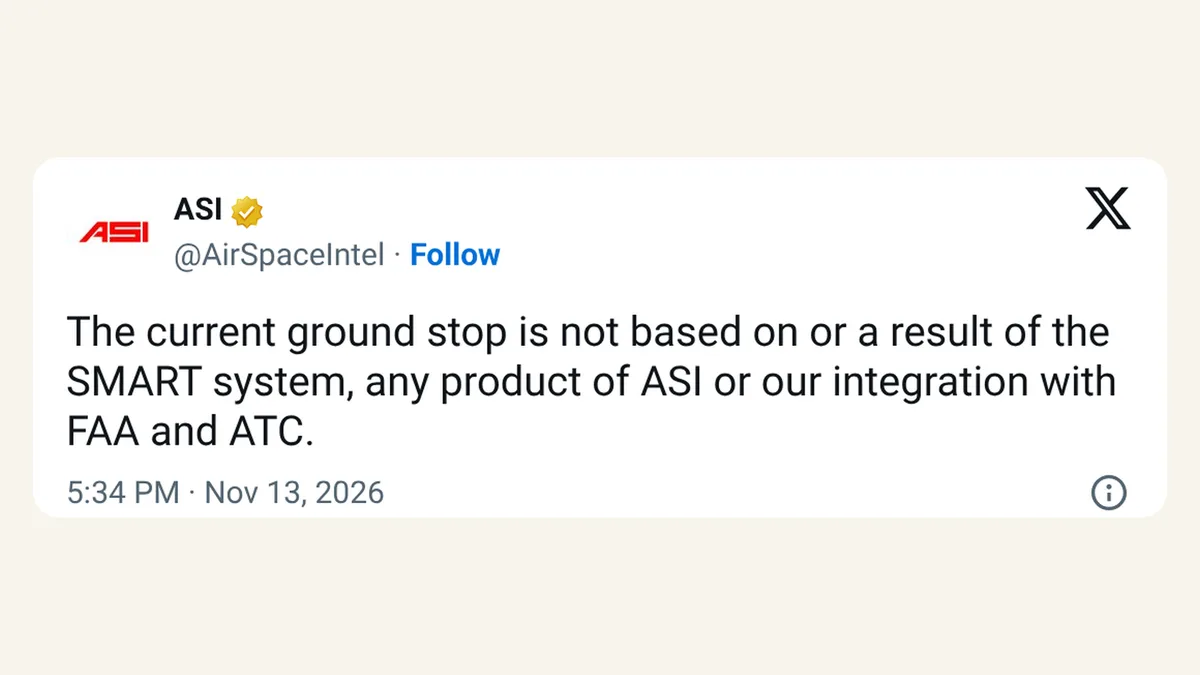
The warnings follow a rough week: a nationwide FAA ground stop, a multi-day Outlook outage that brought entire companies to a standstill and a banking outage at JPMorgan Chase.
Did AI cause last week's outages?
Partly, in Smith's view, though not the way you might think. He said you can think of the outages, "at least in substantial part, as sort of AI ripple effects."
His explanation: earlier this year, AI made it much easier to find weak spots in software code. "And then you can either use that knowledge to patch the code, or if you're a bad actor, you can use that knowledge to try to hack into systems," Smith said. That set off a race to patch "at a pace we have never seen before." When companies rush fixes onto older systems with less time to check each change, he said, the risk of something going wrong goes up, "and that's what we've seen over the last week."
Microsoft's own big outage is a different story, by Smith's account. He said it "was not linked to AI" and wasn't a cyberattack. He called it "a perfect storm" of software updated four months earlier that clashed with a new update and a shift in network traffic.
None of last week's outages are believed to have been cyberattacks, according to The Verge. Officials also blamed the FAA ground stop on old telecom gear, not the agency's AI tool.
X reactions
The Verge shared its story on X:
Microsoft and the US government agree there are more outages to come.
— The Verge (@verge) November 22, 2026
Our take
It's rare to hear the president of Microsoft tell people to brace for months of trouble, and we'd take him at his word. When the company behind Outlook says this won't be sorted in a couple of weeks, planning for a few bad days is common sense.
We also like that Smith was plain about where AI fits. By his telling, AI made holes easier to find, and the rush to patch them is what keeps knocking things over. That's good news in the long run, because flaws that get found can get fixed. In the short run it means more updates and more chances for a bad one to break something. None of that calls for panic. It calls for a backup plan most of us should have had already.
— Artificially Nerdy
How to prepare for the next big outage
- Install updates when they arrive. It's the first thing Smith told Americans to do: if a patch shows up on your phone or laptop, apply it.
- Pick a backup way to reach people. Keep a second email account or a group text ready for clients, coworkers or family.
- Keep offline copies of key files. Download the documents, contacts and invoices you can't work without.
- Have a second way to pay. A card from another bank, or a little cash, helps when one bank's app is down.
- Know where to check status. Bookmark the status pages for the services you depend on, like Microsoft 365 or your bank.
FAQ
Did AI cause last week's tech outages?
Partly, says Microsoft's Brad Smith. He called them, "at least in substantial part," AI ripple effects: AI made software flaws easier to find, and the rush to patch them quickly raises the risk of something breaking.
Did AI cause Microsoft's outage?
No, according to Smith. He said it was not linked to AI and wasn't a cyberattack, but a software update from four months earlier that clashed with a new update and a shift in network traffic.
Who is Jay Clayton?
He is the Director of National Intelligence, the official who oversees US intelligence agencies.
Were last week's outages hacks?
They are not believed to be cyberattacks, according to The Verge.
Did Microsoft say which services might go down next?
No. Smith spoke generally about the coming months and gave no list of services or dates.
Sources
- The Verge: We haven't seen the last of the major tech outages — Terrence O'Brien, November 22, 2026. Clayton's CNN quote, Smith's Face the Nation warning, last week's outages, cyberattack correction.
- CBS News: Transcript: Brad Smith, Microsoft president and vice chair, on "Face the Nation with Margaret Brennan," Nov. 22, 2026 — November 22, 2026. Smith's "AI ripple effects" answer, Microsoft outage cause, patch advice.
- The Verge (@verge) on X — November 22, 2026, about 5:51pm ET.