
TL;DR
Is AI causing layoffs at companies?
Rarely, says a new Anthropic study of 58 companies, but most of them are hiring less because of AI. Your current job is probably safer than the next opening you hoped to apply for, especially contract work. Learn to run whole tasks with AI at work, and build skills for the parts AI can't speed up.
What did Anthropic find?
On Monday, November 23, 2026, Anthropic published "Working with AI," written by its economists Nathan Wilmers, Maxim Massenkoff and Peter McCrory. They held 66 interviews with people at 58 of Anthropic's business customers.
Most companies said AI paid off by letting them do more work, rather than by cutting costs. On jobs, the authors "saw very few examples of domestic layoffs that were driven by AI automation." Only two companies had seen AI fully eliminate a position and lead to someone losing their job. Five described pushing out employees who would not adopt AI. Ten said they were hiring more because of AI, mostly for AI setup and IT support roles.
Are companies hiring less because of AI?
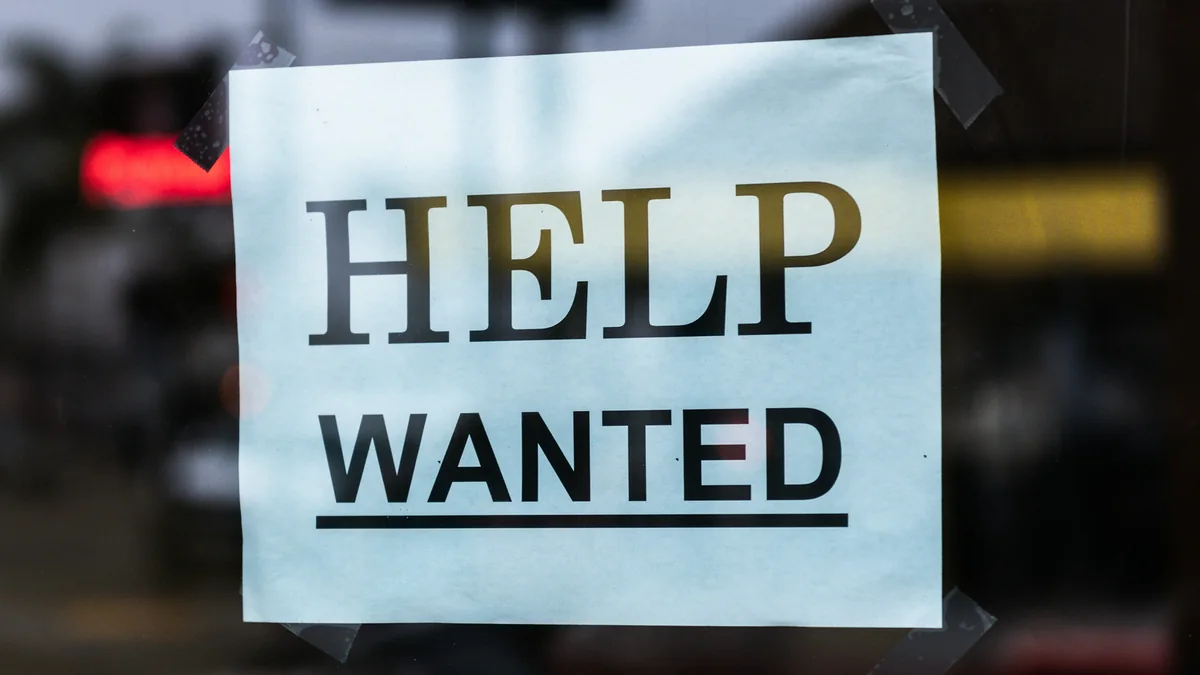
Yes, at most of the companies Anthropic spoke to. People at two-thirds of them reported reduced hiring due to AI. As one person put it: "We may not be firing, but we're not hiring."
About a third of those hiring slowdowns came from teams shrinking as people left and weren't replaced. Most were jobs the companies would have needed to grow, and now don't plan to fill. An engineering leader at a health management company said, "We've added a lot of capacity by buying tokens instead of hiring people." Tokens are the chunks of text AI companies bill by, so in plain terms, the company is paying for AI use instead of new staff.
At one company, a plan to have AI review cases aimed to cut the number of reviewers it would hire by more than 90%. At an AI startup, the chief operating officer said 90% of his operations budget went to AI tokens and 10% to people.
Which jobs are getting cut first?
Contractors, especially offshore ones. Nine companies described cutting contracted software developers, customer service reps, legal counsel and back-office work, much of it already sent overseas. One finance company cut "well over 100 offshore data and developer contractors." The authors say these cuts "could be an early warning of job disruption in the international business services industry."
The pattern fits other data on hiring, not layoffs, as the place to watch.
What worked best for companies using AI?
The biggest wins came from reorganizing work around AI, not from handing everyone a chatbot. Some companies gave employees ownership of a whole workflow and moved people onto the "bottleneck" tasks AI can't do. As coding sped up, for example, code review, sales and big decisions had to keep pace.
Pushing AI from the top down caused trouble too: fear for jobs, worries about being watched and pushback from the experts needed to make the system work.
X reactions
Anthropic interviewed 58 companies using AI. the boring finding is the real one: mostly more output, not fewer people very few AI layoffs but most are hiring less so the job you have is probably fine the job you were about to apply for, maybe not #AI
— Drama (@DramaWorksatux) November 24, 2026
58 companies told Anthropic the same awkward truth about AI at work. Most of the value came from doing MORE work. Cost-cutting barely showed up. Almost nobody got laid off because of AI. But most companies quietly stopped hiring. Contractors went first, offshore ones especially.
— E1ev3n. (@harden_369741) November 23, 2026
Our take
Keep in mind who ran this. Anthropic sells the AI, and these are its own customers in interviews, not a random survey. Even so, the findings aren't flattering to AI hype, and they match what job data has been hinting at for months: the pain shows up as openings that never get posted.
That is harder to see than a layoff, and it lands hardest on people who don't have the job yet: new grads, career changers and contractors, many of them overseas. We'd like to see companies say plainly when AI is the reason a role isn't being filled, so job seekers know where they stand.
— Artificially Nerdy
What to do
- Ask how your team is using AI. The study found the biggest gains came from reorganizing whole workflows, so offer to own one.
- Build skills in the slow spots. Reviewing work, selling and making judgment calls are the tasks companies said AI doesn't speed up.
- Contractors and freelancers: diversify clients. Outsourced, task-by-task work was the first to go in these interviews.
- Job hunting? Expect fewer openings, and look at AI setup and IT support roles, where some companies said they were hiring more.
- Running a small business? Fix one full process end to end before buying more AI seats.
FAQ
How many companies did Anthropic talk to?
58 of its business customers, across 66 interviews.
Did any company lose staff to AI directly?
Yes, but rarely. Two companies said AI fully eliminated a position and someone lost their job, and five pushed out employees who wouldn't adopt AI.
Is this study neutral?
It's a useful look inside companies, but Anthropic makes Claude and interviewed its own customers, so treat it as one view rather than a full picture of the job market.
Sources
- Anthropic: Working with AI — Nathan Wilmers, Maxim Massenkoff, Peter McCrory, November 23, 2026. Interview counts, layoff and hiring findings, contractor cuts, quotes, 90% figures.
- Drama (@DramaWorksatux) on X — November 24, 2026, about 3:03am ET.
- E1ev3n. (@harden_369741) on X — November 23, 2026, about 5:54pm ET.