

TL;DR
Will the AI boom raise my interest rates?
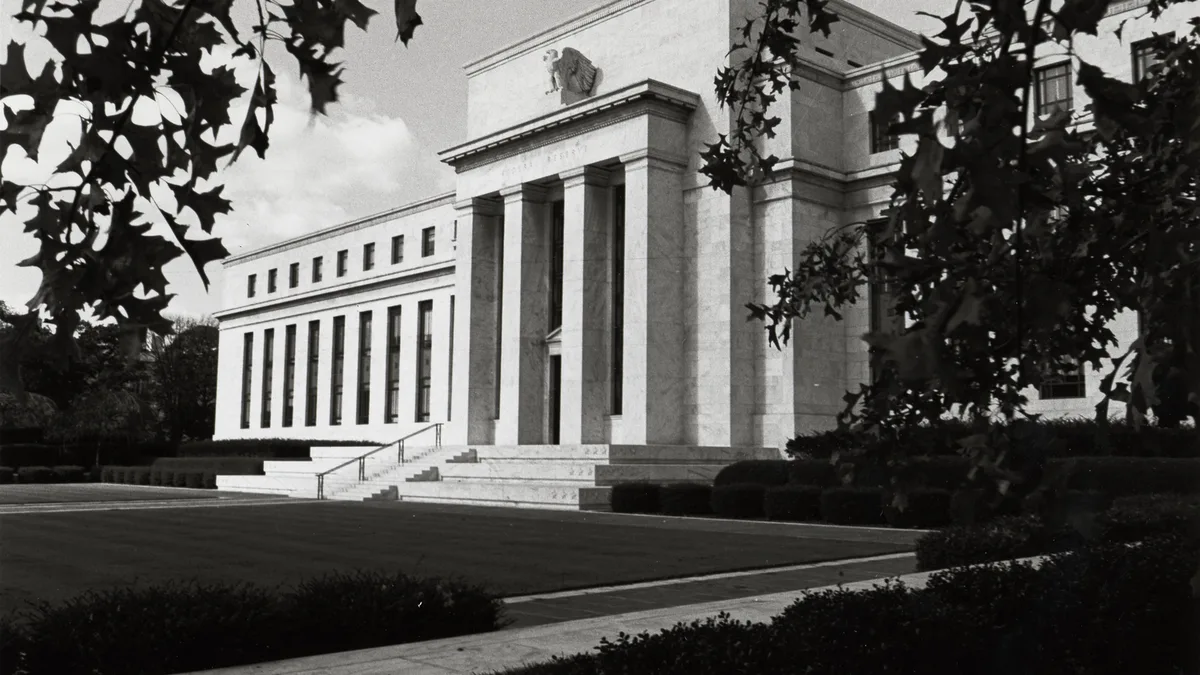
It may. The Fed is expected to raise rates at its December 8-9 meeting, partly because AI spending is pushing prices up. Card balances and other variable-rate debt could cost a little more, and some job searches are taking longer. Nothing urgent yet: pay down variable-rate debt where you can and watch your card's rate.
Why would AI make the Fed raise interest rates?
Because building AI costs a fortune, and that spending runs through the whole economy. Companies are paying for data centers, chips, power and construction, and all that demand can push prices up. That's inflation, and fighting it is the Federal Reserve's job. Its main tool is raising interest rates, which makes borrowing more expensive and cools spending.
Reuters reported on Tuesday, November 24, 2026, that Fed officials are expected to follow through with a quarter-point increase, meaning 0.25 percentage point, at their December 8-9 meeting. Fed Vice Chair Philip Jefferson has said AI investment is raising inflation now, with any productivity benefits still to come. A hike is expected, not decided. Worry about AI money is already showing up in the Fed's own survey of market contacts.
This is an odd spot for a technology that's sold as a way to make things cheaper. So if AI is supposed to lower costs, why would it push prices up? The short answer is timing. Fed Chair Kevin Warsh has said AI "hits demand first," with the supply and productivity gains coming later, Reuters reported. The building happens now, and any savings from AI tools come later, if at all.
How does a Fed rate hike affect my credit card?
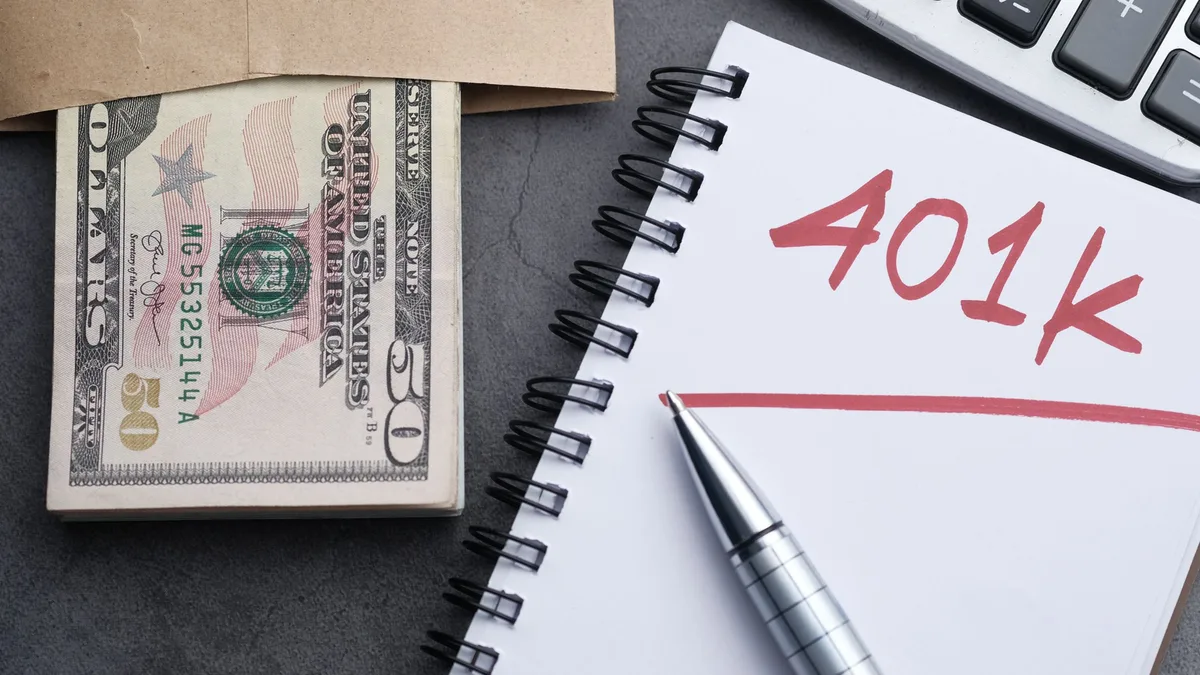
Most US credit cards have a variable rate, called APR (annual percentage rate), that's tied to the prime rate, which banks move when the Fed moves. So a hike usually shows up on card statements within a billing cycle or two.
A quarter point sounds small, and on its own it is. On a $5,000 balance, 0.25 percentage point works out to about $12.50 more a year. The bigger issue is that card rates are already high, and every hike stacks on top. If you carry a balance month to month, that debt is the first place a rate hike reaches you.
Fixed-rate debt, like most mortgages and many car loans you already have, doesn't change. New loans, home equity lines and many small-business loans with variable rates do.
What does a rate hike mean for small-business loans?
If you run a business on a line of credit, check whether its rate is variable. Many are, and they follow the same prime rate as credit cards. A small hike won't sink anyone, but it's a good moment to ask whether you can lock a fixed rate on any borrowing you plan for 2027.
Is AI making it harder to find a job?
In a few fields, there are early signs. Fed Governor Lisa Cook said in a speech on November 20 that "there is already some evidence that labor demand has cooled for coding jobs in the software industry and in simultaneous translation." She also said "younger adults are experiencing prolonged job searches."
She was careful about the big picture, though. Unemployment was 4.1% in October, and Cook said there's "little evidence that AI is producing a significant imprint on the aggregate unemployment rate." Employers added 165,000 jobs in October, according to the Bureau of Labor Statistics.
So the economy overall looks steady. The pressure is on specific groups: new graduates, coders and translators. If you're in one of those groups, that's worth taking seriously even while the headline numbers look fine.
What happens if AI cools jobs and heats prices at the same time?
This is the tricky part for the Fed, and for you. Usually a cooling job market means the Fed cuts rates to help. But if AI spending keeps prices rising while AI also slows hiring in some fields, the Fed has to pick which problem to fight first. Right now, officials appear to be choosing inflation.
That combination hurts most for someone who is job hunting and carrying card debt at the same time. The search takes longer, and the balance costs more each month while it does.
The building happens now, and any savings from AI tools come later, if at all.
Our take
We think the AI story has been told mostly through stock prices, and this is where it reaches people who don't own a single share. A quarter point won't break anyone's budget. Still, a run of hikes driven partly by AI spending, plus slower hiring for young people and coders, adds up to real pressure on households that are already stretched. Cook's caution is fair: the job data doesn't show an AI wave. But "not yet in the totals" is cold comfort if you're the one sending out applications.
— Artificially Nerdy
What to do now
- Check your credit card statement for your current APR and whether it's variable.
- Pay down variable-rate balances first if you have spare cash.
- Ask your lender whether a fixed rate is available for any loan you plan to take out.
- Job hunting in coding or translation? Plan for a longer search and build a few months of savings if you can.
- Watch the Fed's December 9 decision; the headline will tell you whether the hike happened.
FAQ
When is the next Fed meeting?
December 8-9, 2026. The decision is announced on the second day.
Will a Fed rate hike raise my mortgage payment?
Not if you have a fixed-rate mortgage. Adjustable-rate mortgages and home equity lines can rise when rates go up.
What is PCE inflation data?
PCE stands for personal consumption expenditures, a government measure of how much prices for everyday spending are rising. The Fed watches it closely when it decides on rates.
Sources
- Federal Reserve, Governor Lisa D. Cook speech (November 20, 2026): https://www.federalreserve.gov/newsevents/speech/cook20261120a.htm
- Federal Reserve, FOMC meeting calendar: https://www.federalreserve.gov/monetarypolicy/fomccalendars.htm
- Reuters via Investing.com, "AI boom looms over Warsh's Fed as inflation worries grow" (November 24, 2026): https://www.investing.com/news/economy-news/ai-boom-looms-over-warshs-fed-as-inflation-worries-grow-5047641
- Bureau of Labor Statistics, The Employment Situation, October 2026: https://www.bls.gov/news.release/empsit.nr0.htm